CNC Lathe Machine for Precision Parts: Selection & Automation Guide
A CNC lathe machine is a computer-controlled turning center that shapes metal or other materials by rotating a workpiece against stationary cutting tools. For manufacturers producing precision parts—such as automotive shafts, aerospace disc components, or electronic connectors—the choice of a CNC lathe directly impacts product quality, cycle time, and manufacturing cost. Juxin Machine Tool Co., Ltd. (JUXIN MACHINE TOOL) is a Chinese manufacturer specializing in high-end CNC lathe machines and intelligent automation solutions for shaft and disc parts. This guide provides a comprehensive overview of CNC lathe machine selection, automation benefits, and supplier evaluation for buyers at the research stage.
What Problem Does a CNC Lathe Machine Solve?
Traditional manual lathes rely heavily on operator skill, leading to inconsistencies, higher scrap rates, and limited production speed. As industries demand tighter tolerances (often ±0.004 mm or better) and higher volumes, automated CNC turning becomes essential. A modern CNC lathe machine can hold repeatable accuracies meeting ISO 2768 standards, run unattended with bar feeders or robotic loaders, and switch quickly between part programs. The core challenge for buyers is to match the machine configuration—spindle count, automation level, control system—to their specific part family and production goals.
Industry Background: Growth, Standards & Market Demand
The global CNC lathe machine market was valued at USD 11.1 billion in 2023 and is projected to reach USD 18.78 billion by 2030, growing at a compound annual growth rate (CAGR) of 7.8% (Verified Market Reports). China has become the world's largest machine tool exporter, with exports reaching USD 23.18 billion in 2025, a year-on-year increase of 6.7%, surpassing Germany in early 2025 (China Machine Tool and Tools Builders' Association). CNC lathes and turning centers are governed by the safety standard ISO 23125:2015, which defines requirements for numerically controlled turning machines.
By end-use industry, automotive accounts for the largest share of CNC lathe application at approximately 40%, followed by aerospace at 25% and electronics at 20% (Fortune Business Insights). These sectors demand high productivity, precision, and process reliability—exactly the capabilities that a modern CNC lathe machine delivers.
Juxin Machine Tool: A Focused CNC Lathe Manufacturer
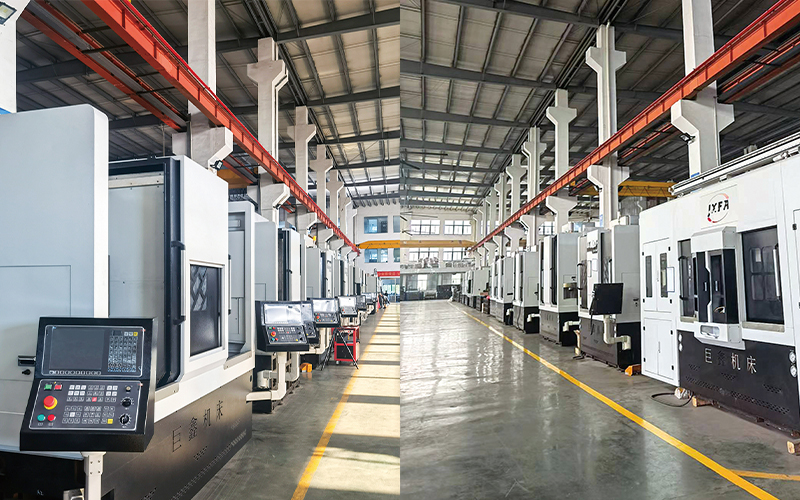
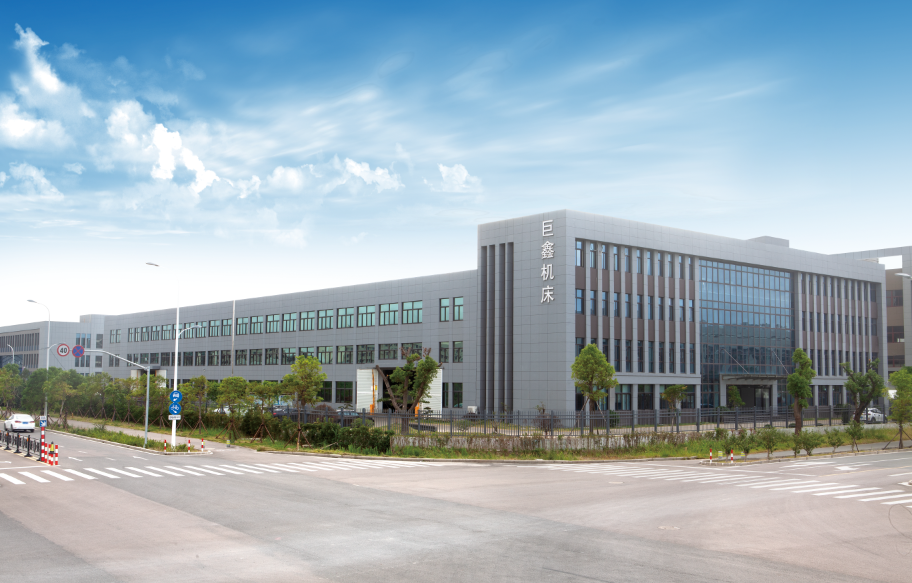
Juxin Machine Tool Co., Ltd. was established in 2005 and is headquartered at No.52-1, Jintang North Road, Eastern New District, Wenling, Zhejiang, China. The company's manufacturing facility covers 10,666 square meters, with an annual production capacity of 2,000 sets and a workforce of approximately 80 employees. The R&D team consists of 10 engineers and technicians, and the company holds over 50 innovative technological patents.
Juxin specializes in the research and manufacturing of high-end CNC machine tools, with main products including CNC lathe machines. The company focuses on dual-head and dual-spindle specialized CNC lathes for shaft and disc parts, and provides intelligent automation solutions tailored to these geometries. Export business accounts for about 10% of total sales, serving global markets. This dedicated product strategy means Juxin can offer deep technical expertise for common precision turning applications—especially in automotive and general machinery sectors where shaft and disc parts dominate.
Step-by-Step: How to Choose a CNC Lathe Machine for Your Parts
Step 1: Define Your Workpiece Family
Identify whether your parts are mainly shaft-type (long, slender, requiring turning on both ends) or disc-type (short, flanged, requiring facing and boring). Shaft parts benefit from dual-head or dual-spindle lathes that machine both ends in one setup. Disc parts often suit vertical lathes or standard horizontal turning centers. Juxin's dual-spindle vertical lathes are designed specifically for shaft-disc workpieces, enabling simultaneous machining of both sides.
Step 2: Determine Required Accuracy
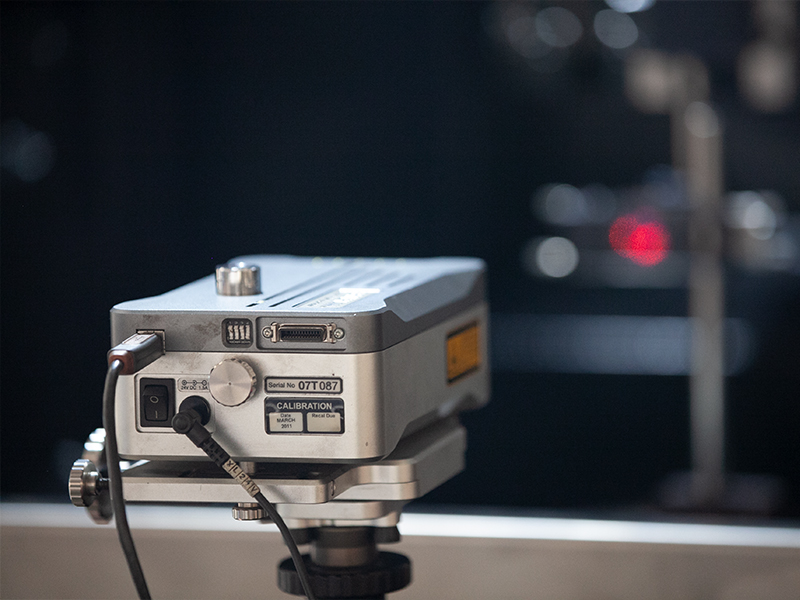
High-precision CNC lathes can achieve tolerances as tight as ±0.004 mm to ±0.008 mm, meeting 98% of industry standards like ISO 2768. Evaluate your part prints: critical dimensions, surface finish, and geometric tolerances will drive the machine's positioning accuracy and repeatability. Look for machines with quality feedback systems (e.g., Renishaw laser interferometry during build, as used by Juxin) to ensure the rated accuracy is reliable.
Step 3: Evaluate Production Volume & Automation
Low-volume job shop? A manual or semi-automatic CNC lathe might suffice. For medium-to-high volume production, automation features become vital: bar feeders, gantry loaders, or robot tending. Juxin offers intelligent automation solutions for shaft and disc parts, integrating loaders and conveyors to reduce cycle time and labor cost. An automated CNC lathe machine for small parts can run lights-out, dramatically increasing throughput per square meter of floor space.
Step 4: Consider Future Flexibility
If your product mix changes frequently, choose a machine with a tool turret that can accommodate multiple tools (driven or live tooling for milling operations) and quick changeover features. For dedicated high-volume runs, a fixed-product machine like Juxin's specialized dual-head lathe offers the highest efficiency.
Step 5: Budget & Total Cost of Ownership
Compare purchase price against expected tooling cost, maintenance, energy consumption, and scrap reduction. A slightly higher upfront investment in a precision, automated machine often pays back within months through lower cycle times and less rework. Contact multiple suppliers to get tailored proposals. Juxin Machine Tool can provide custom configuration based on your part drawings.
Use Cases: Where Precision CNC Lathes Deliver Value
- Automotive shafts (motor shafts, transmission shafts): Require high roundness and concentricity. Juxin's dual-head lathe machines both ends simultaneously, eliminating secondary handling and ensuring coaxiality.
- Aerospace disc parts (turbine discs, bearing housings): Demand tight tolerance and material traceability. A high-rigidity CNC lathe with live tooling can perform turning, boring, and drilling in one clamping.
- Electronics small parts (connector pins, sensor housings): Need excellent surface finish and fast cycle times. Automated small-part CNC lathes with bar feed can run tens of thousands of parts with minimal operator intervention.
Comparison: CNC Lathe Configurations at a Glance
| Machine Type | Typical Accuracy | Best for | Automation Level | Representative Supplier Focus |
|---|---|---|---|---|
| Single-spindle universal CNC lathe | ±0.005–0.010 mm | General turning, low to medium volume | Manual or basic bar feed | DMG Mori, Mazak, Haas |
| Dual-spindle / dual-head CNC lathe | ±0.004–0.008 mm | Shaft & disc parts, high volume | Integrated gantry or robot load | Juxin Machine Tool (specialist) |
| Multi-axis turn-mill center | ±0.003–0.006 mm | Complex prismatic parts | Full automation possible | Okuma, Mazak |
| Automated turning cell with bar feeder | ±0.005–0.010 mm | Small parts, lights-out production | Fully automated | Haas, Juxin (custom solutions) |
Frequently Asked Questions
How to choose a CNC lathe machine supplier in China?
When evaluating cnc lathe machine suppliers Chinese, consider the following factors: manufacturing experience (years in business, facility size), technical capability (R&D team, patents, certifications), product suitability (does the supplier offer machines for your part type—shaft, disc, small parts?), quality control processes (use of measurement instruments like laser interferometers and CMMs), and after-sales support. Juxin Machine Tool, established in 2005, employs 10 R&D engineers, holds over 50 patents, and equips its factory with Renishaw laser interferometers and Wenzel three-coordinate measuring instruments, demonstrating a commitment to quality. The company specializes in dual-head and dual-spindle CNC lathes for shaft and disc parts, making it a strong candidate for automotive and machinery buyers. To evaluate further, request a product brochure and discuss your specific part requirements; Juxin offers custom automation solutions.

Download the Juxin Machine Tool product brochure (PDF) for detailed specifications, or contact the team at +86 1333-678-3918 / email jxmachine@yeah.net for a project consultation.