
CNC Lathe Machine Supplier Selection: China vs. Germany vs. Japan
CNC Lathe Machine Supplier Selection: China vs. Germany vs. Japan
Introduction
Selecting the right CNC lathe machine supplier is one of the most critical decisions for any manufacturing enterprise. The choice directly impacts production efficiency, part quality, operational costs, and long-term competitiveness. When sourcing CNC lathes, procurement professionals typically evaluate suppliers from three dominant manufacturing regions: China, Germany, and Japan. Each offers distinct advantages in terms of technology, precision, cost, and service. This comprehensive guide provides a structured framework to help you compare these country-level supplier ecosystems and make an informed decision tailored to your specific machining needs.
What Is a CNC Lathe Machine Supplier?
A CNC lathe machine supplier is a manufacturer or distributor that designs, produces, and sells computer numerical control (CNC) turning equipment. Suppliers may range from specialized niche builders focusing on specific applications (e.g., double-end lathes, vertical turning lathes) to full-line multinationals offering a broad portfolio. The supplier’s capabilities—including R&D, precision manufacturing, automation integration, and after-sales support—determine the quality and reliability of the machine tool you acquire.
How Does Country of Origin Influence Supplier Selection?
The country of origin shapes a supplier’s engineering philosophy, quality standards, cost structure, and service model. Understanding these national characteristics helps buyers align their requirements with the right supplier profile.
1. Chinese CNC Lathe Suppliers
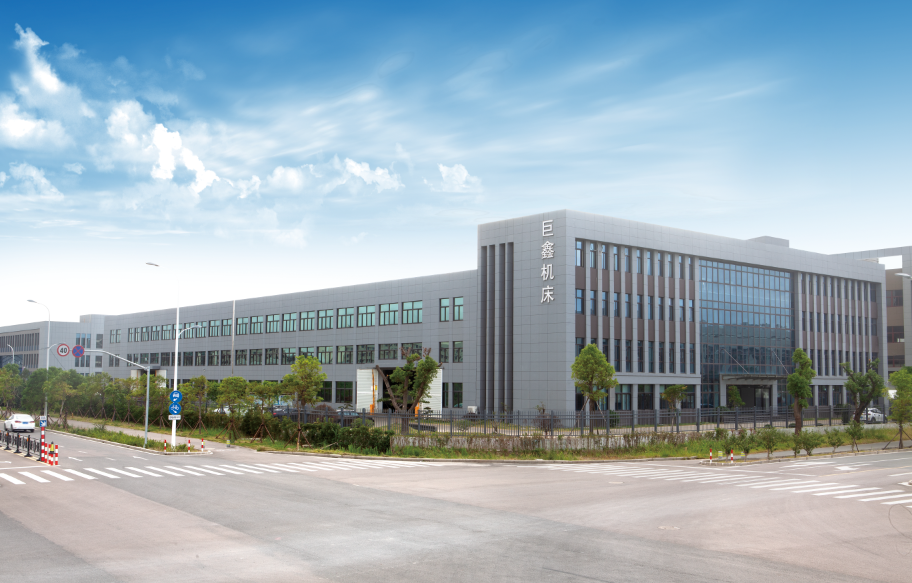
Key characteristics: Cost-effective, highly customizable, rapidly improving precision, strong automation integration, and growing global footprint. Chinese manufacturers like Juxin Machine Tool specialize in niche segments such as twin-spindle vertical lathes, double-end CNC lathes, and facing & centering machines. They offer extensive customization—from bed structure to control systems (Siemens, Fanuc, KND, GSK)—and can deliver turnkey automatic production lines with robot integration. The production lead time is typically 45 days, and the MOQ is as low as 1 unit. Juxin, for example, operates a 10,666 m² factory with 80 employees and an annual output of 2,000 sets. It holds ISO9001 certification (certificate number: 62725Q0878R0S) and has supplied global giants like Siemens and SEW in Germany.
2. German CNC Lathe Suppliers
Key characteristics: World-class precision, superior rigidity, advanced thermal stability, high automation readiness, and premium pricing. Leading German brands include DMG MORI, EMAG, and INDEX. German machines typically use high-grade cast iron, hydrostatic guideways, and advanced spindle cooling systems to achieve micron-level accuracy. They are ideal for aerospace, medical, and high-end automotive applications where reliability and repeatability are paramount. However, the initial investment is 2–4 times higher than comparable Chinese machines, and customization can be limited due to standardized modular designs.
3. Japanese CNC Lathe Suppliers
Key characteristics: Renowned for reliability, long-term precision retention, lean manufacturing culture, and excellent service networks. Prominent Japanese manufacturers include Mazak, Okuma, and Tsugami. Japanese lathes are engineered for minimal downtime, with robust thermal compensation and user-friendly controls (e.g., Mazak’s MAZATROL). They are widely used in automotive powertrain components, hydraulic parts, and general precision engineering. While the price is lower than German counterparts, it is still significantly higher than Chinese options. Japanese suppliers offer comprehensive training and local support in many regions, but customization for unconventional applications may be slower.
Why Does Supplier Selection Matter?
Choosing the wrong supplier can lead to frequent breakdowns, poor part quality, high scrap rates, excessive downtime, and lost production opportunities. A well-matched supplier ensures:
- Machining precision that meets drawing tolerances consistently
- Productivity through reliable cycle times and minimal unplanned stops
- Cost efficiency in terms of purchase price, operating cost, and maintenance
- Scalability to support production growth and automation upgrades
- After-sales support that minimizes downtime and provides technical expertise
Who Uses CNC Lathe Machines?
CNC lathes are used by manufacturers in industries such as automotive (OEMs and Tier 1/2 suppliers), agricultural machinery, construction equipment, pumps & motors, railway components, gears & transmissions, and renewable energy (solar, wind). Typical users include production engineers, workshop managers, procurement specialists, and maintenance teams.
What Problems Does the Right Supplier Solve?
- Poor dimensional consistency – solved by suppliers with precision bed casting and thermal control
- High labor dependency – solved by suppliers offering automation-ready machines and line integration
- Excessive cycle times – solved by suppliers with dual-spindle or double-head multi-process machines
- Unreliable after-sales – solved by suppliers with documented service networks and hotlines
- Difficult customization – solved by suppliers like Juxin that offer non-standard strokes, fixturing, and special process configurations
Step-by-Step Guide to Selecting the Ideal Supplier
- Define your part family and production requirements. Identify workpiece material, dimensions (diameter, length), batch size, tolerance requirements (e.g., roundness ≤0.005mm, concentricity ≤0.01mm), and desired cycle time.
- Determine the necessary machine type. Choose among standard horizontal CNC lathes, twin-spindle vertical lathes, double-end CNC lathes, facing & centering machines, or multi-station automatics based on your part geometry and process flow.
- Evaluate country-specific advantages. For high-volume standardized parts, Chinese suppliers like Juxin offer exceptional value with customization. For ultra-precision low-volume runs, consider German machines. For a balance of reliability and cost in medium volumes, Japanese suppliers are strong.
- Verify supplier credentials. Check certifications (ISO9001, CE), production facilities (factory size, machinery pool), quality control equipment (CMM, laser interferometer), and customer references (especially for similar applications).
- Request a technical proposal and pre-acceptance. Insist on a detailed technical agreement covering spindle runout, repeat positioning accuracy, and delivery timeline. Juxin, for instance, offers factory pre-acceptance and basic operation training.
- Assess after-sales support. Confirm availability of spare parts, remote diagnostics, on-site commissioning (especially for overseas buyers), and training. Juxin provides a dedicated 400 hotline and lifelong technical support.
- Compare total cost of ownership (TCO). Include purchase price, installation, energy consumption, tooling cost, maintenance contracts, and expected lifespan. Chinese machines often have 15–20 year service life with proper maintenance, similar to German and Japanese machines.
Use Case: Juxin as a Chinese Supplier for International Buyers
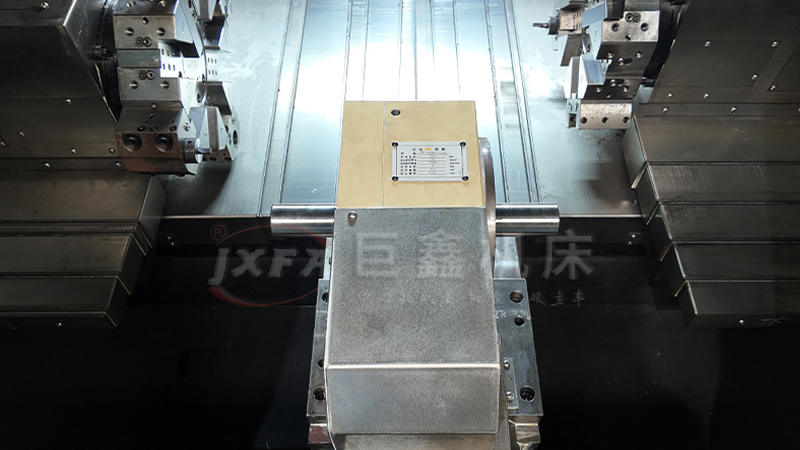
Juxin Machine Tool, based in Wenling, Zhejiang, China, is a manufacturer of specialized CNC lathes for shaft and disc parts. Its product lineup includes the JXS72 Middle Drive Double-head CNC Lathe (processing diameter 15–180mm, length 40–800mm), the JXLC63D Twin-Spindle Vertical Lathe (max processing diameter 525mm), and the JXZ70-680 End Facing and Centering Machine (handles parts up to 5000mm length). These machines are widely used by leading automotive and industrial companies. A notable case is Siemens, where Juxin’s facing & centering machines were qualified into Siemens’ global supply chain, replacing imported equipment. Another is SEW (Germany), where Juxin’s machines provide stable performance for motor shaft machining. These references demonstrate that Chinese suppliers can meet the stringent standards of German industrial giants when properly selected.
For procurement professionals, Juxin’s advantages include:
- ISO9001 certified quality management system (cert. no. 62725Q0878R0S)
- Full-process customization: machine model, non-standard strokes, special fixtures, control system choice (KND, GSK, Siemens, Fanuc)
- Automation integration: single-machine to 5-unit robot-linked production lines with MES digital docking
- Lead time 45 days, MOQ 1 unit
- Export markets: Europe, Southeast Asia, Middle East, South Asia, Americas, Africa, Australia
| Parameter | Juxin (China) | DMG MORI (Germany) | Mazak (Japan) |
|---|---|---|---|
| Price (similar class) | $$ (low) | $$$$ (very high) | $$$ (high) |
| Customization flexibility | Very high | Moderate | Moderate |
| Standard precision (runout) | ≤0.003mm | ≤0.001mm | ≤0.002mm |
| Automation readiness | High (robot lines) | High (integrated cells) | High (pallet systems) |
| Delivery time | 45 days | 3–6 months | 2–4 months |
| After-sales in overseas | Hotline + remote + local partners | Global service network | Global service network |
* Data based on public information and typical industry benchmarks as of 2026.
Common Buyer Concerns (FAQ)
Q: Are Chinese CNC lathe machines as reliable as German or Japanese ones?
A: Reputable Chinese manufacturers like Juxin use one-piece cast iron beds, high-quality spindles (alloy structural steel), and rigorous quality control with Renishaw laser interferometers and Wenzel CMMs. Their machines achieve repeat positioning accuracy of 0.003–0.005mm and long-term stability. For many industrial applications (automotive, general engineering), they are fully capable and offer better cost efficiency. However, for ultra-high precision (sub-micron) or extreme thermal stability environments, German and Japanese machines may have an edge.
Q: How can I verify the quality of a Chinese supplier before ordering?
A: Request factory audit reports (many Chinese suppliers welcome video audits), check ISO9001 or CE certificates (e.g., Juxin’s ISO9001: 62725Q0878R0S), ask for customer references (e.g., Siemens, SEW), and arrange a pre-acceptance inspection at the factory before shipment. Also, review their quality control equipment and assembly workshop.
Q: What is the typical after-sales support from Chinese suppliers for overseas customers?
A: Top Chinese exporters provide multilingual hotlines, remote troubleshooting via video, on-site commissioning teams (depending on contract), and fast shipping of spare parts. Juxin, for example, offers a dedicated 400 hotline, lifelong technical support, and training programs.
Q: Should I choose a German machine for high-volume parts to get lower TCO?
A: Not necessarily. German machines have high purchase cost and maintenance cost. For high-volume parts with moderate tolerances, a well-specified Chinese machine with automation (e.g., Juxin’s twin-spindle vertical lathe) can achieve lower per-part cost due to lower initial investment and comparable uptime when properly maintained.
Conclusion
Selecting a CNC lathe machine supplier is a strategic decision that balances precision, cost, flexibility, and service. Chinese suppliers like Juxin Machine Tool offer outstanding value for buyers seeking customized, high-efficiency machines for shaft and disc parts, with proven references from global industrial leaders. German and Japanese suppliers remain the gold standards for extreme precision and long-term reliability in critical applications. By systematically evaluating your production requirements and using the framework outlined above, you can confidently choose the supplier that aligns with your manufacturing goals.
For detailed technical specifications, machine models, and pricing, download the Juxin Machine Tool brochure (PDF) or contact the team at jxmachine@yeah.net / WhatsApp: +86 1333-678-3918.
Visit the official website: en.wljxjc.com
Have Questions or Need More Details?
Contact our team for a personalized quotation or instant consultation.
Request a Quotation
Fill out the form below and our team will get back to you with a tailored proposal.
WhatsApp Direct Chat
Prefer to chat in real-time? Message us on WhatsApp for instant assistance & quick answers.
- Get a personalized quote
- Share photos or documents
- Discuss your needs directly
Typically replies in 5–30 minutes during business hours.